






Exploring the Intricacies of Card Games: A Deep Dive
Exploring the Intricacies of Card Games: A Deep Dive
Card games have captivated humans for centuries, offering entertainment, strategy, and a unique form of social interaction. The evolution of card games from simple recreational activities to complex strategic battles reflects their enduring popularity and adaptability. The keyword PH 6788 may evoke images of sprawling poker tables, family card nights, or even the mental acrobatics involved in strategic card play.
The Historical Roots of Card Games
Delving into the archives of history, the origin of card games is both fascinating and mysterious. Most scholars suggest that playing cards were born out of ancient Chinese games, dating as far back as the Tang dynasty. It was around the 9th century that cards made their way across continents, evolving along the way to suit the cultural contexts of the regions they encountered.PH 688
As the cards traveled to Persia and Egypt, they gained artistic and symbolic significance. The Mamluks of Egypt, for instance, are known to have played with decks containing suits, a concept that would later be mirrored in European card decks. Throughout these cultural exchanges, the structure of the deck flourished, eventually giving rise to the 52-card deck that is popular in Western societies today.
The Anatomy of a Standard Deck
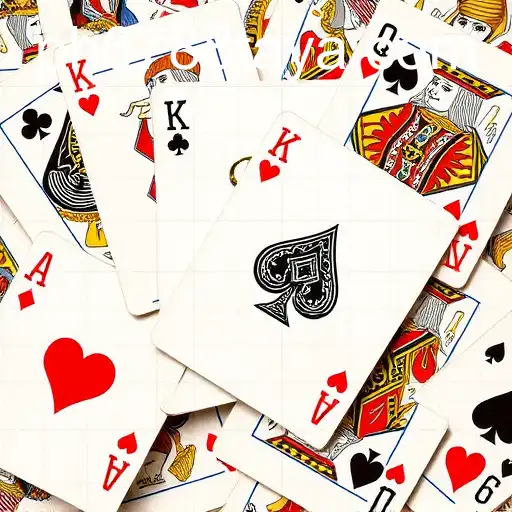
A deck of playing cards, usually adorned with rich suits and symbols, can be dissected into myriad patterns of gameplay. Typically comprising 52 cards, divided into four suits—hearts, diamonds, clubs, and spades—each suit bears cards numbered from Ace to King. This structural innovation allows for a bewildering array of games and strategies, each with its own flavor and ruleset.Fusion 88
The facility with which players adapt and create new games speaks to the media's versatility. Classic games like Poker, which has many variations such as Texas Hold'em and Omaha, showcase the adaptable nature of card games and their ability to foster entire subcultures within their domains. These games, alongside others like Bridge and Solitaire, have sprung from the same fertile ground of a 52-card deck, illustrating the rich potential inherent in this simple structure.
Diverse Genres and Strategies
At first glance, the shuffle of cards across a table may seem like mere serendipity, but seasoned players know otherwise. Card games stand on a foundation of probability, psychology, and meticulous strategy, each element as important as a card in the deck. The keyword PH 6788 captures the curiosity and tactic-driven nature of these games, inviting players to explore their depths.
Card games can broadly be divided into categories reflective of their gameplay mechanics:FILI PLAY
- Trick-taking games: These games, including Bridge and Whist, hinge on players winning rounds—or 'tricks'—by playing the highest card of a suit or via trump cards. Mastery of these games demands not just mathematical skill but an understanding of opponents' behavior.
- Matching games: Games like Rummy, in which the objective centers on matching cards into sets or sequences. These games task players with managing their cards and predicting opponents' moves.
- Stacking games: These involve building upon a foundation set either by players as in Canasta or by shared rules as with Solitaire. Strategy here requires patience and thoughtful planning.
The Interplay of Skill and Chance
A captivating aspect of card games is the blend of skill and chance they offer. Whereas games of pure luck might rely solely on the turn of a die, card games often necessitate an acute awareness of statistical probabilities and player psychology. The application of strategic bets in games like Poker can tip the scales, turning an unfavorable hand into a winning formula.VIP JL
Yet, the unpredictable nature of a shuffled deck introduces an element of chance that ensures each game remains compelling. This delicate balance is perhaps why card games continue to be a favorite across the globe, transcending age, culture, and language.PH TAYA
Card Games in the Digital Era
As technology advances, card games have found new life on digital platforms. Whether via mobile apps or online gaming communities, players can now engage one another globally, with keyword PH 6788 leading them to new virtual card adventures.
Digital versions of card games offer enhanced inclusivity by connecting players from different geographies who might otherwise never encounter each other. Online play has also paved the way for real-time updates, customizable rulesets, and automated scoring, streamlining the gameplay experience. The digital shift underscores the card game's resilience and capacity to adapt to the needs of contemporary society.
Conclusion
As we explore the vast universe of card games, the keyword PH 6788 serves as a reminder of their cultural and strategic importance. Whether played around a familiar table with family or in a digital room bustling with global players, card games remain a bastion of strategy and amusement.
Discover the Thrilling World of MoneyComing2: An In-Depth Look

Explore MoneyComing2: A captivating game blending strategy, skill, and real-world events.
2026-03-13
Discovering the Excitement of FortuneGems: A Comprehensive Guide
Explore the captivating world of FortuneGems, a thrilling game that combines chance and strategy. Learn about its introduction, rules, and the latest trends shaping the gaming landscape.
2026-03-12
3CoinTreasures: Unveiling the Excitement and Strategy of PH 6788

Dive into the captivating world of 3CoinTreasures with PH 6788 – a game that combines strategy, excitement, and the allure of treasure.
2026-03-11
Exploring the Thrilling World of GreatLion: A Comprehensive Introduction and Guide

Dive into the exhilarating realm of GreatLion with a detailed guide on its gameplay, introduction, and rules, intertwined with current events for an enriched experience.
2026-03-10

 download apk/ios